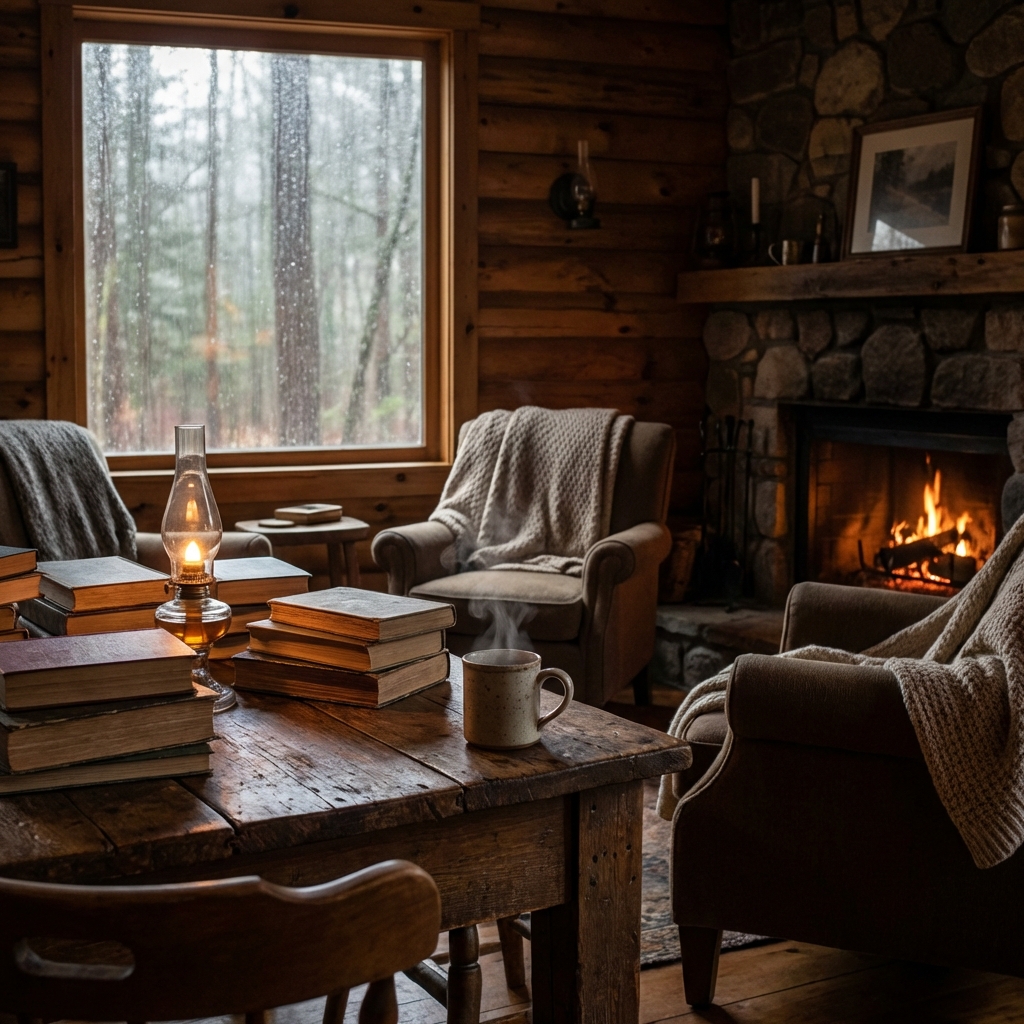
The Art of Chill: The Slow Food Movement
In our modern world, speed is the ultimate currency. We have fast fashion, fast cars, fast internet, and, prominently, fast food. We eat in our cars, at our desks, and while walking down the street. Food has become mere fuel—a transactional necessity to keep the machine running so we can get back to being "productive."
But in this rush to consume, we have lost something profound. We have lost the connection to the earth that feeds us, the hands that grow our crops, and the community that is built around a shared table. Enter the Slow Food Movement, a global grassroots revolution that asks us to pump the brakes, take a seat, and savor the moment.
The Origins: A Protest Against Uniformity
The story of Slow Food begins with a plate of pasta. In 1986, McDonald's announced plans to open a franchise near the iconic Spanish Steps in Rome. For many Italians, this was a step too far—an invasion of industrial homogeneity into the heart of their culinary heritage.
Carlo Petrini, a journalist and activist, organized a protest. But instead of marching with signs, they brandished bowls of penne. They argued that the "Americanization" of food would lead to a loss of local identity and a degradation of quality. From this act of delicious defiance, the Slow Food organization was born. Its manifesto, signed in Paris in 1989, declared: "Against the universal madness of the Fast Life... our defense is to organize the pleasures of the palate."
What started as a defense of good cuisine has evolved into a comprehensive philosophy about biodiversity, sustainability, and social justice.
The Three Pillars: Good, Clean, and Fair
Slow Food is built on three interconnected principles. Unless food meets all three, it is not truly "slow."
1. Good
This is the entry point. Food must taste good. It should be fresh, flavorful, and seasonally appropriate. It should satisfy the senses. If a tomato tastes like cardboard, it doesn't matter how organic it is; it fails the "good" test. Slow Food celebrates the pleasure of eating as a fundamental right.
2. Clean
This refers to the environmental impact. Food should be produced without straining the earth's resources, without harming ecosystems, and without the excessive use of chemicals. It is about sustainable agriculture that respects the soil, the water, and the air.
3. Fair
This corresponds to social justice. The people who grow, harvest, and process our food should be treated with dignity and paid a fair wage. Accessible food should not come at the cost of the farmer's livelihood. If the price of a burger is impossibly low, someone, somewhere, is paying the difference—usually the worker or the environment.
Biodiversity and the Ark of Taste
One of the most critical missions of the Slow Food movement is the preservation of biodiversity. Industrial agriculture favors uniformity. It grows a few varieties of corn, soy, and wheat that are high-yielding and resistant to shipping, often at the expense of flavor and nutritional density.
As a result, thousands of unique fruit, vegetable, and animal breeds have gone extinct. To combat this, Slow Food created the Ark of Taste, a living catalog of delicious and distinctive foods facing extinction. From the Navajo-Churro Sheep in America to the Murnau-Werdenfels Cattle in Germany, the Ark seeks to save these varieties not by freezing them in a lab, but by eating them. By creating a market for these rare breeds and heirlooms, we give farmers a reason to continue growing them.
The Social Connection: Breaking Bread
Food is the original social network. For millennia, the campfire and the dinner table have been the places where stories are told, deals are made, and bonds are forged. Fast food culture isolates us; it encourages solitary consumption.
Slow Food champions the concept of conviviality—the joy of living together. A slow meal is not just about what is on the plate; it is about who is in the chairs. It is about the clinking of glasses, the passing of heavy platters, and the lingering conversations that happen long after the dessert is finished. In a lonely world, the dinner table is a sanctuary of connection.
Slow Food in a Fast Life: Practical Tips
You don't need to move to a Tuscan farmhouse to practice Slow Food. Here is how you can integrate the philosophy into your busy life:
1. Cook One "Slow" Meal a Week
Pick a day, maybe Sunday, to cook something that takes time. A stew that needs to simmer for three hours, bread dough that needs to proof, or homemade pasta. Pour a glass of wine, put on some music, and enjoy the process of cooking, not just the result.
2. Shop at Farmers Markets
Skip the supermarket once in a while. Go to a local market. Talk to the person selling the apples. Ask them which one is significant. When you know the face behind the food, you treat it with more respect.
3. The "No-Phone" Rule
Make the dinner table a device-free zone. This simple act changes the energy of the meal immediately. It forces you to look at your food and your companions.
4. Read Labels
Start caring about where your food comes from. If the ingredients list is a paragraph long and full of unpronounceable words, put it back. Look for whole foods with short histories.
5. Grow Something
Even if it is just a pot of basil on your windowsill. The act of caring for a plant and then eating it is the shortest, most powerful lesson in the Slow Food cycle.
Conclusion
The Slow Food movement is not about being elitist or nostalgic. It is about the future. It is about recognizing that our choices at the grocery store have a ripple effect that touches the soil, the climate, and the lives of strangers.
By choosing to slow down, we are claiming that pleasure is important, that quality matters, and that the simple act of eating can be a revolutionary act of care. So tonight, don't just eat. Dine. Taste. Connect. And let the world wait a little while.