The Art of Chill: Forest Bathing (Shinrin-yoku)
We spend 93% of our time indoors. We stare at screens, breathe conditioned air, and walk on concrete. We have separated ourselves from the very environment in which we evolved. And our bodies and minds are suffering for it.
In the 1980s, the Japanese government noticed a spike in stress-related illnesses. Their solution wasn't a new pill or a new therapy app. It was a return to the roots. They introduced a national health program called Shinrin-yoku, which translates to "Forest Bathing."
Not Hiking, But Being
Let's clear up a misconception immediately: Forest Bathing is not hiking. Hiking is about a destination. It’s about getting from Point A to Point B, often as quickly or efficiently as possible. It’s "doing."
Forest Bathing is about "being." It is the practice of immersing yourself in the forest atmosphere. It is a slow, sensory walk where the destination is the present moment. You don't need a Fitbit, a map, or specialized gear. You just need a forest and an open mind.
The Japanese Origin Story: Fighting Karoshi
Japan is famous for its work ethic, but it also coined the term Karoshi—death by overwork. In the 80s, the Ministry of Agriculture, Forestry, and Fisheries of Japan saw Shinrin-yoku as a way to combat this national health crisis.
They designated forests as therapy centers. They funded research to prove what wisdom traditions have known for millennia: nature heals. The results were undeniable. Spending time in the forest was found to lower heart rate, reduce blood pressure, decrease stress hormone production, and boost the immune system.
Thus, a spiritual intuition became a prescription. Doctors in Japan can literally prescribe a walk in the woods.
The Phytoncide Miracle: How Trees Heal Us
The healing power of the forest isn't magic; it's chemistry. Trees, specifically conifers like pine and cypress, release organic compounds called phytoncides. These are part of the tree's immune system, protecting it from rot and insects.
When we breathe in these phytoncides, our bodies respond in kind. Research conducted by Dr. Qing Li at the Nippon Medical School showed that inhaling these compounds significantly increases the number and activity of human Natural Killer (NK) cells. NK cells are a type of white blood cell that kills tumor- and virus-infected cells.
So, when you walk in the woods, you are essentially bathing your immune system in a natural, protective aromatherapy.
Engaging the Five Senses
Shinrin-yoku is a practice of the senses. To truly bathe in the forest, you must open the doors of perception.
Sight
Don't just look; see. Notice the different shades of green (the human eye can distinguish more shades of green than any other color). Watch the way the light filters through the canopy (the Japanese have a word for this too: Komorebi). Look for the fractals in the ferns and the texture of the moss.
Sound
Take out your earbuds. Listen to the wind rustling the leaves. Hear the birds singing. Listen to the sound of your own footsteps crunching on the forest floor. Silence is rare in the modern world; drink it in.
Smell
The forest has a distinct aroma. It smells of damp earth, pine needles, and decaying leaves. This is the smell of life and death recycling itself. Breathe it in deep. It is the smell of home.
Touch
Place your hands on the trunk of a tree. Feel the roughness of the bark. Run your fingers through a stream. Pick up a pinecone. Grounding yourself physically helps to ground you mentally.
Taste
Taste the air. If you are knowledgeable, taste a wild berry or a wood sorrel leaf (but valid caution: only eat what you can 100% identify). Even simply drinking tea in the forest can heighten the sense of taste.
Forest Bathing vs. Hiking: The Art of Slow
The hardest part of Shinrin-yoku for modern people is the pace. We are used to rushing. We want to get our steps in.
You must force yourself to slow down. If you think you are walking slowly, walk slower. Stop often. Sit down. Lie on the ground. The forest reveals its secrets only to those who move at its pace. A snail doesn't rush, yet it reaches its destination. A tree doesn't rush, yet it grows to the sky.
Bringing the Forest Home
We can't all live in a cabin in the woods. But we can bring the principles of Shinrin-yoku into our urban lives.
- Visit a Park: You don't need a wilderness. A city park with trees offers many of the same benefits.
- Essential Oils: Diffusing Hinoki (Japanese Cypress) or Pine oil in your home can bring the phytoncides to you.
- House Plants: Filling your home with greenery improves air quality and mood.
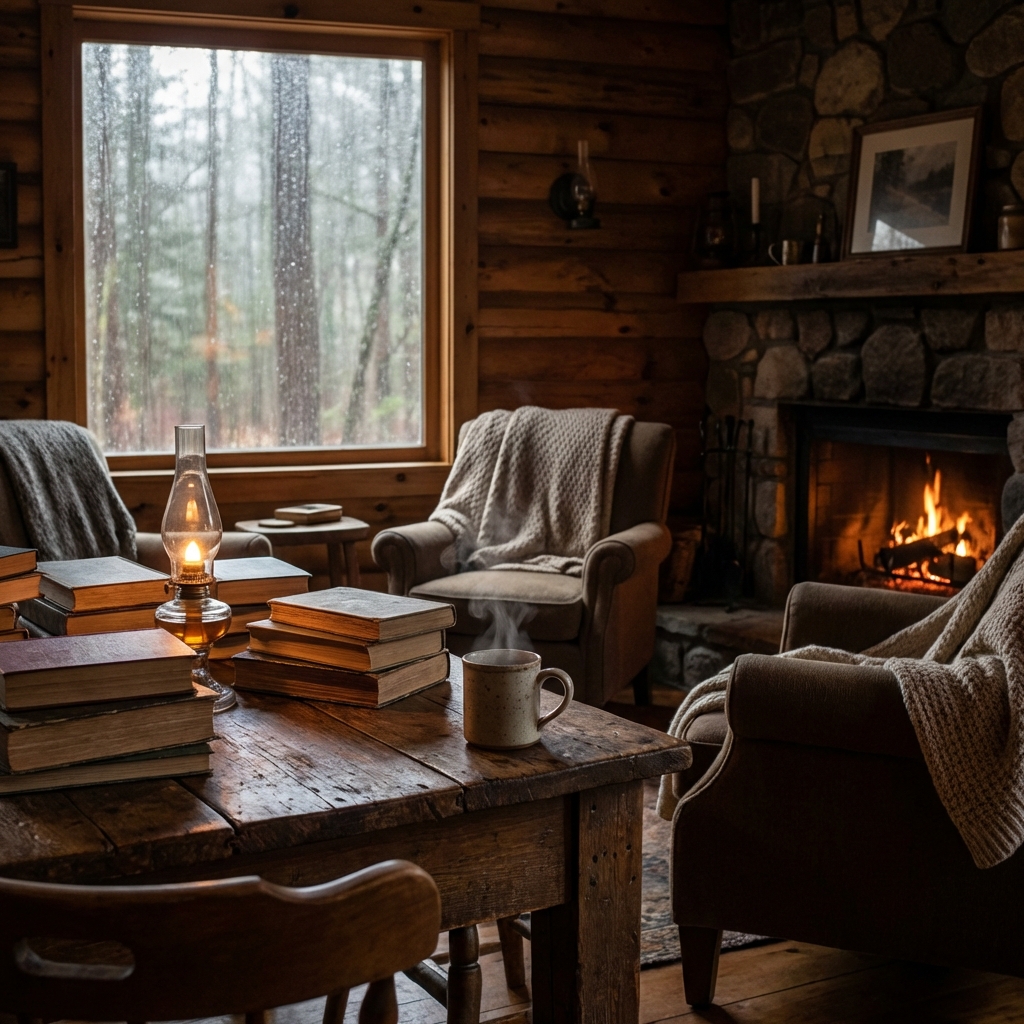
- Tree Gazing: Even looking at trees out of a window has been shown to speed up recovery in hospital patients.
Conclusion
Forest Bathing is a reminder that we are not separate from nature. We are nature. When we step into the forest, we are not visiting a stranger; we are returning to our family.
In a world that demands we be faster, smarter, and more productive, the forest asks nothing of us. It accepts us as we are. It offers us its oxygen, its beauty, and its silence freely. All we have to do is show up, slow down, and breathe.